Maintenance
Winterizing Your Grand Rapids Home: A Pro Guide to Preventing Ice Dams
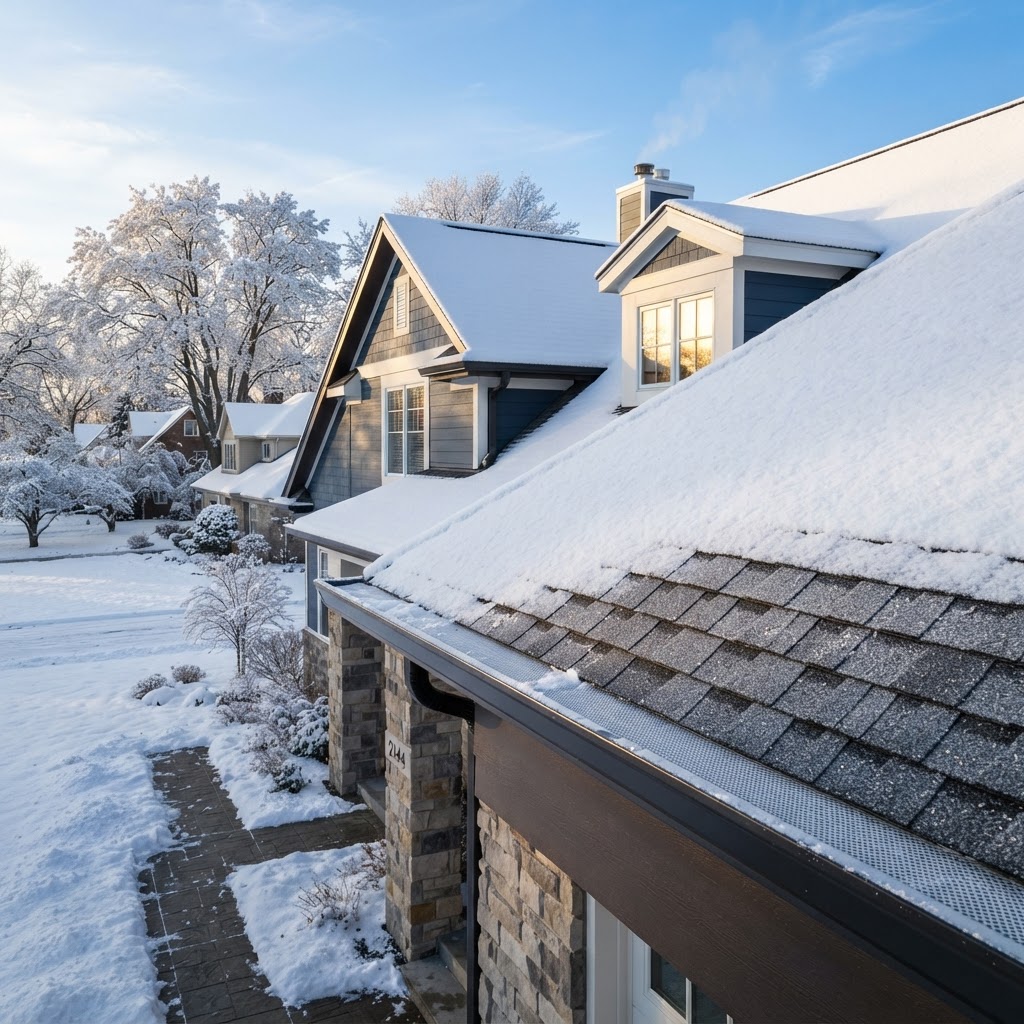
As the leaves fall and the temperatures begin to dip toward freezing in West Michigan, it is time to turn our attention to the one thing that can cause more damage to a home than almost any other winter weather event: the dreaded ice dam. If you have lived in the Grand Rapids area for any amount of time, you have likely seen those beautiful but destructive icicles hanging from a neighbor's roof. While they may look picturesque, they are a telltale sign that your home is losing heat and your roof is in trouble. An ice dam occurs when heat escapes from your living space into your attic, warming the underside of the roof deck. This melts the snow sitting on your shingles, causing water to run down toward the eaves. Once that water reaches the cold, unheated edge of your roof (the overhang), it refreezes, creating a blockage. As more meltwater flows down, it backs up behind the ice and can seep directly into your home, causing significant damage to ceilings, insulation, and walls. So, how can you prevent this? The first step is attic insulation. A well-insulated attic acts as a barrier, keeping the heat inside your home where it belongs rather than allowing it to migrate into the roof deck. If your home was built decades ago, your attic insulation may have settled or may not meet current energy standards. Second, ventilation is key. Proper roof and soffit vents help maintain a cold roof surface temperature, preventing the cycle of melting and freezing. Finally, ensure your attic floor is properly sealed. Any gaps around light fixtures, plumbing stacks, or attic hatches can leak warm air into the roof assembly. At Grandville Roofing & Exteriors, we have spent over 50 years helping our neighbors across West Michigan navigate the challenges of our harsh winters. While you can often clear your gutters of debris in the fall to help with drainage, deep-seated issues involving insulation or ventilation are best handled by professionals. Ignoring these signs can lead to wood rot and mold growth that won't show up until spring thaw. If you are concerned about how your roof will hold up during the upcoming winter, give us a call. We can perform a thorough inspection of your attic ventilation and roof health to ensure your home stays dry and warm until the flowers bloom again. Don't wait for the first deep freeze; taking proactive steps now can save you thousands in potential repair costs later.
Explore Our Services
Ready to Talk About Your Roof?
Free inspections for West Michigan homeowners — no pressure, no obligation.