Siding
Vinyl or fiber cement siding for your West Michigan home
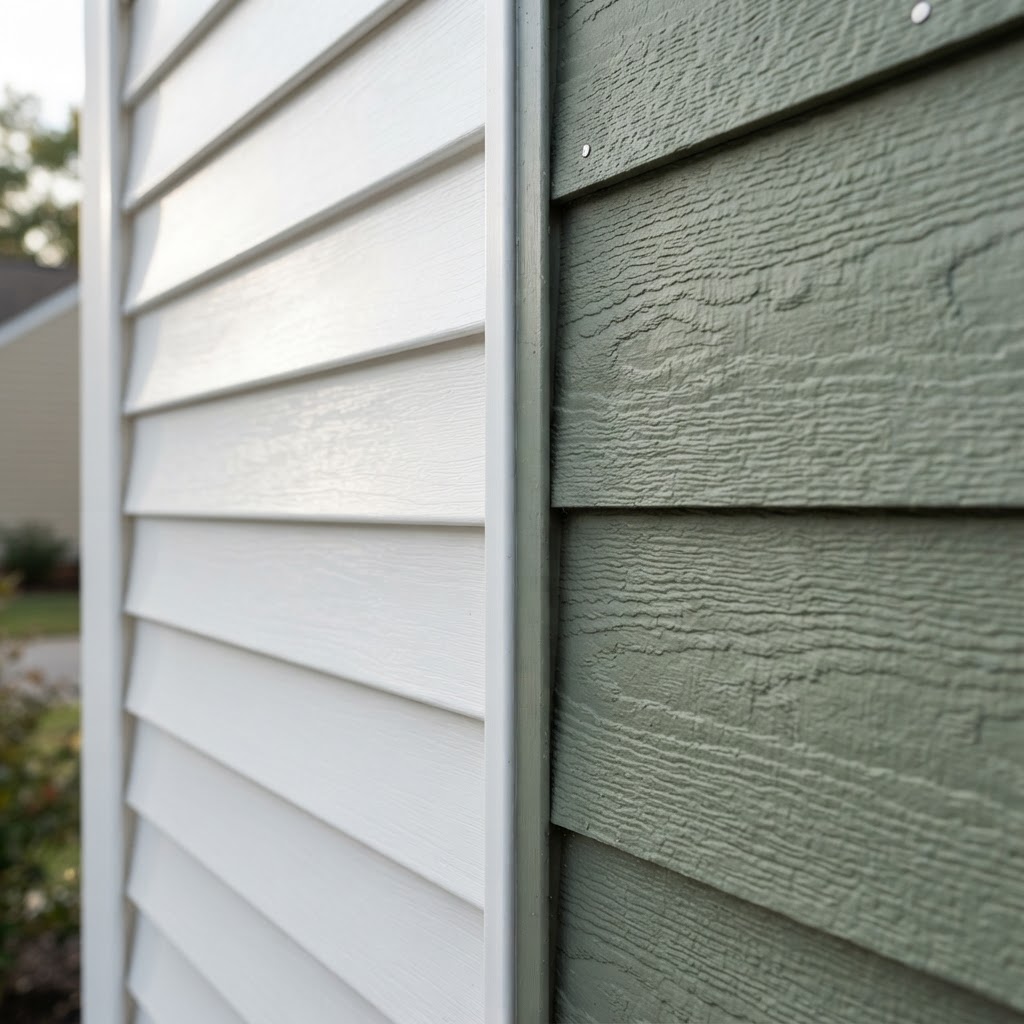
Vinyl siding is the practical choice for most Kentwood homes because it moves with the freeze-thaw cycle, while fiber cement offers superior impact resistance against summer storm debris. If you prioritize low maintenance and cost-effective insulation, choose vinyl. If you want a rigid, fire-resistant exterior that mimics wood grain, fiber cement wins.
Does vinyl handle our freeze-thaw cycles?
Vinyl stays flexible even when the thermometer dips below zero in January. Because vinyl panels are installed with a bit of play, they expand and contract as our West Michigan temperatures swing wildly from sunny afternoons to freezing nights. Rigid materials can crack under this constant movement, but vinyl simply shifts along its mounting track.
That feeling of dread when a hairline crack appears in your exterior walls in late winter? You won't have it with vinyl. It is built to ride out the expansion and contraction without snapping, keeping your home's weather barrier intact through the harshest February deep freeze.
Why consider fiber cement in Kentwood?
Fiber cement provides a heavy, rock-solid barrier that deflects wind-blown branches and hail better than plastic. When the summer storms roll through Comstock Park and bring down tree limbs, vinyl can dent or puncture. Fiber cement stays put because it is dense and thick.
You get the look of traditional wood siding without the risk of rot. However, you must keep the paint or factory finish in good shape. If the finish wears thin, moisture can soak into the board, leading to swelling or cracking over time. It is a material that trades maintenance work for structural peace of mind.
Which one lasts longer in our humidity?
Vinyl lasts for decades if you keep it clean, but it can fade under direct summer sun. Fiber cement generally boasts a longer lifespan if you commit to periodic repainting. In our humid Michigan summers, moss or mold can grab onto the texture of fiber cement, so you will need a garden hose and a soft brush to keep it clean every season.
Vinyl is mostly a wash-and-forget material. A quick pressure wash keeps it looking fresh, but you have to be careful not to blast water under the panels. Whether you choose the flexibility of vinyl or the hardness of fiber cement, the secret to longevity is professional installation that accounts for our specific moisture patterns.
How does installation affect the cost?
Fiber cement is heavy and requires a larger crew, which drives up the labor portion of your quote. Vinyl is lightweight and snaps into place quickly, making it a budget-friendly option for many homeowners. You aren't just paying for the siding itself, but for the time it takes to properly flash the corners and windows to keep water out of your walls.
Before you choose, check with your local building department in Kentwood to see if there are specific material requirements for your neighborhood. Codes change often, and some associations have rules about the thickness or style of siding allowed on the exterior of your home.
Frequently asked questions
Does vinyl siding insulate my home better? Standard vinyl does not have a high R-value, but many homeowners choose to add a layer of rigid foam insulation board underneath the siding. This creates a thermal break that helps keep your home warmer during a lake-effect snowstorm.
Will fiber cement rot like real wood? Fiber cement is made of sand, cement, and cellulose fibers, so it does not rot, warp, or attract insects like cedar or pine. As long as you maintain the exterior coating, the material itself stays solid for years.
Can I put one over the other? Usually, you should remove old, failing siding to check the condition of the wood sheathing underneath. Replacing the siding is your best chance to find and fix any hidden water damage before it becomes a major repair.
When to call a roofer
If you see soft spots in the wood behind your siding or notice water pooling near your foundation, do not wait for the next storm. We can come out to Grandville Roofing & Exteriors to inspect your exterior and give you an honest look at what your home needs. Let’s make sure your house is ready for whatever the weather brings next.
Explore Our Services
Ready to Talk About Your Roof?
Free inspections for West Michigan homeowners — no pressure, no obligation.